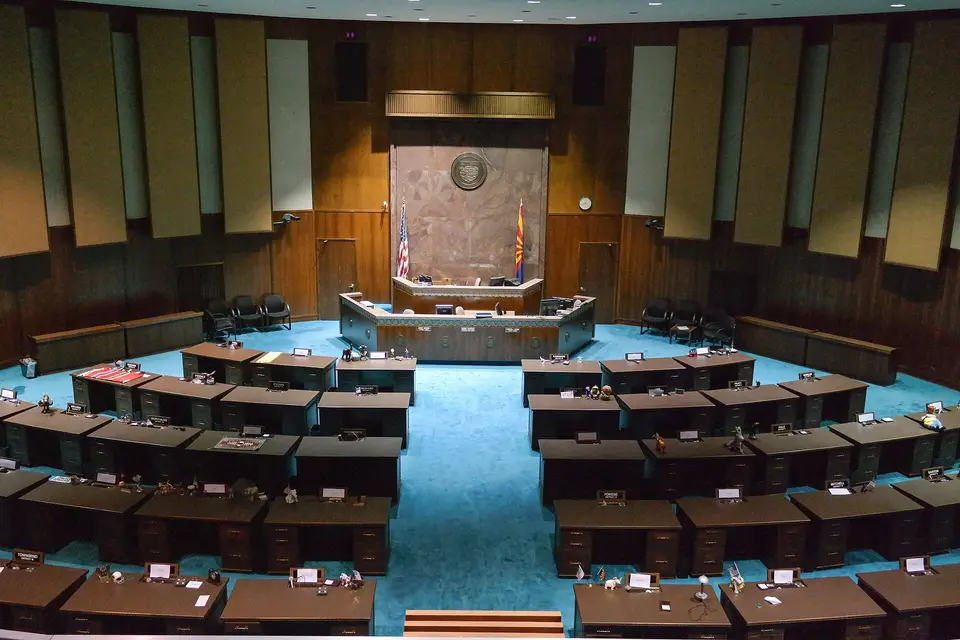
Voter anxiety over artificial intelligence has moved from tech panels to the 2026 campaign trail, including in Arizona, as candidates in statehouse and gubernatorial races stake out AI positions, according to a Pluribus News report published by the Arizona Capitol Times.
The shift matters because it turns a complex systems question into a ballot test. An NBC poll in March found that 57% of voters said AI carries more risks than benefits. Pew Research Center reports roughly half of U.S. adults use chatbots, including nearly a quarter who use them daily, while 40% say AI will have a more negative than positive impact on society. Younger voters and women are the most pessimistic about AI, the report notes.
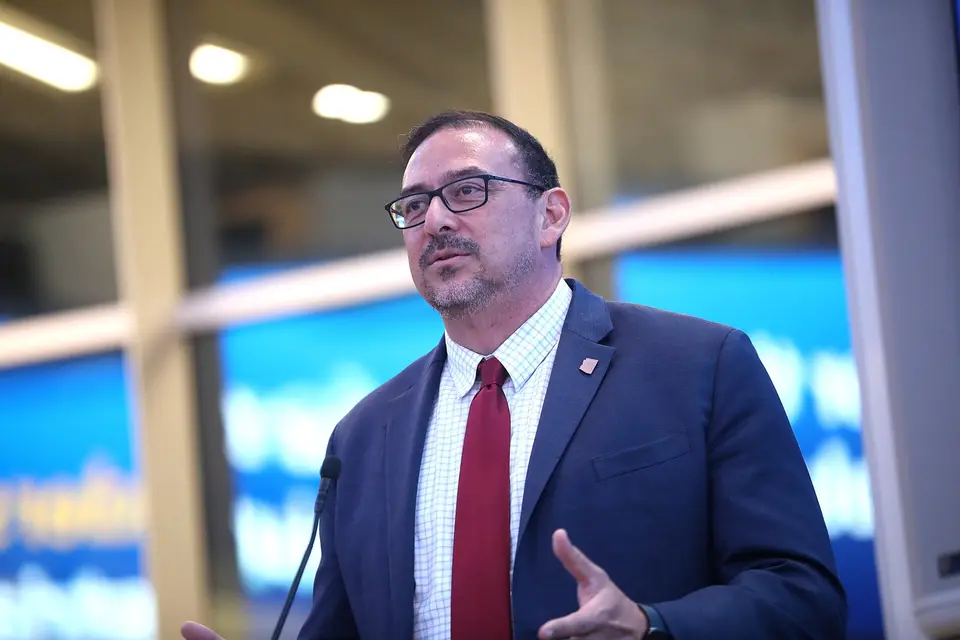
This migration from committee rooms to stump speeches reflects what Utah Rep. Doug Fiefia called a kitchen table turn. "AI has quickly gone from a niche technology issue to a kitchen table issue," said Fiefia, a Republican running for state Senate who previously worked at Google, according to the report.
Fiefia sought this year to pass regulations on large frontier AI models and chatbots. The effort failed after the Trump administration made its opposition known, the report says. He has made "Pro Human AI and Technology" a top campaign issue and argues for "responsible AI development that protects privacy, rewards hard work, and creates opportunity rather than displacement." As he put it, "As AI becomes part of everyday life, it's only natural that voters expect candidates to have thoughtful policies that both encourage innovation and protect the public."
Washington state offers a preview of the rhetoric voters can expect. In Seattle, attorney Will Dreher has made AI the top issue in his Democratic bid for state representative and was poised to advance after placing second in early returns in a top-two primary, the report says. His platform declares, "AI governance is rapidly becoming, and will eventually be remembered as, the defining issue of our time," and proposes banning AI from replacing teachers or other essential workers, taxing AI services and products, and regulating large frontier models.
Dreher's rivals also leaned into AI after he "forced the issue," according to the report. His likely opponent, Democratic Rep. Gerry Pollet, highlights work opposing tax breaks for data centers, protecting citizens from deepfakes, and supporting journalists whose work has been used to train AI models without compensation. Two other Washington Democratic candidates, Chandler Torbett and Danica Noble, also included AI regulation in their platforms; initial counts had Torbett in third in his race and Noble in second in hers.
Other down-ballot candidates are testing messages that mix optimism and restriction. The report cites Florida unaffiliated House candidate Joseph Hoolihan's "Artificial Intelligence for Good," Massachusetts Rep. Erika Uyterhoeven's call for community AI councils and scrutiny of state procurement, and Vermont Rep. Monique Priestley's warning that innovation should create opportunity, not extract value without consent or accountability.