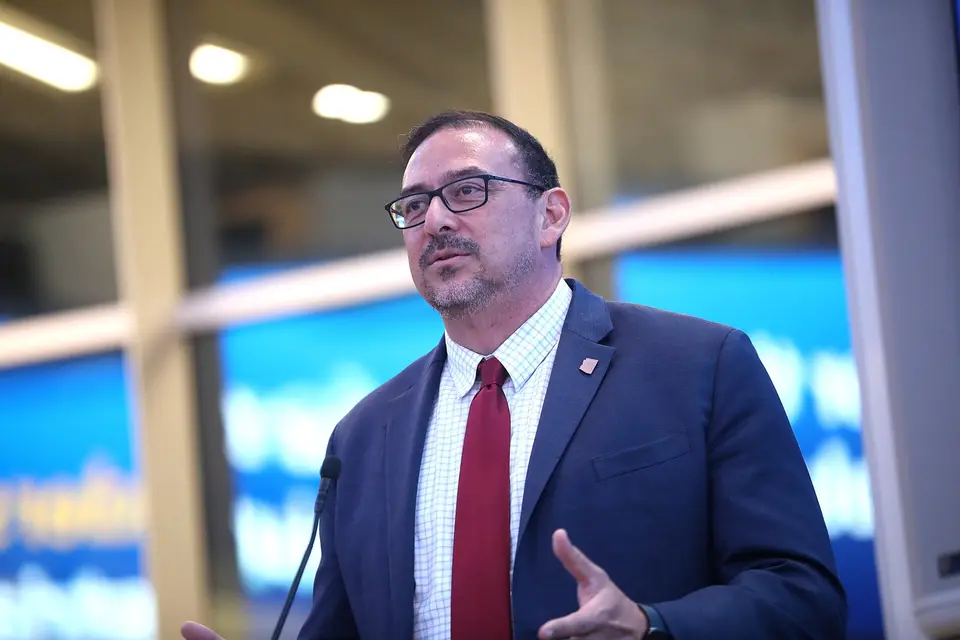
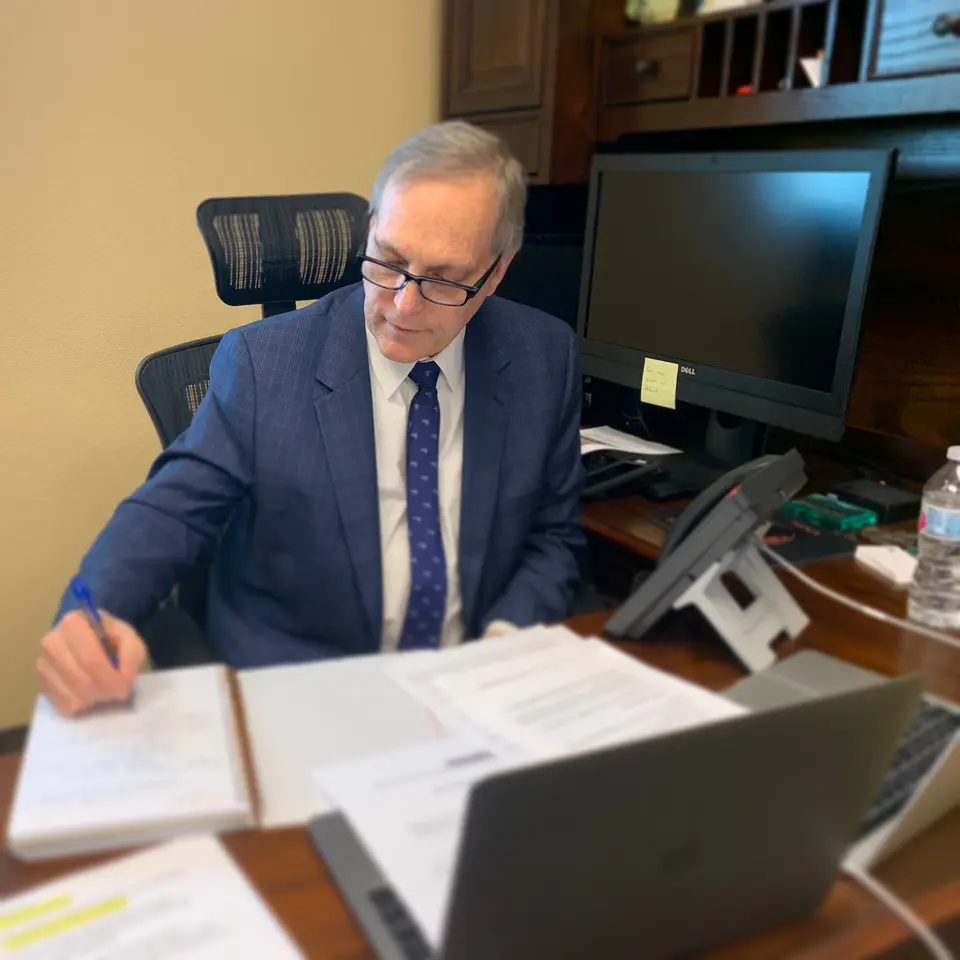
Congressman Andy Biggs named former state Sen. Sine Kerr as his running mate, positioning her to become Arizona’s first elected lieutenant governor, according to the Arizona Capitol Times. Biggs said he is “thrilled” to add Kerr, praising her agriculture background and credibility with farmers, ranchers, and policymakers. The pick gives the GOP ticket a rural-policy specialist at a time when water, utility costs, and welfare administration all carry measurable price tags for taxpayers.
This is the first year Arizona gubernatorial nominees must choose a running mate, and the new office’s duties will largely be defined by the next governor. Kerr’s record is steeped in water and agriculture. Biggs highlighted her work to secure more funding for the Water Infrastructure Finance Authority for conservation projects, while the Capitol Times noted many water stakeholders viewed Kerr and Rep. Gail Griffin as bulwarks against groundwater reform. The fiscal consequence is straightforward: the administration’s choices on water, utilities, and welfare errors will decide who pays and how much.
Start with SNAP. Arizona faces a potential $208 million penalty because the U.S. Department of Agriculture calculated the state’s payment error rate at 10.8 percent, the Capitol Times reported. Under H.R. 1, states with error rates above 6 percent must begin sharing SNAP costs starting in 2028. Biggs voted for the cuts that contribute to these changes. The Trump White House framed the law as ensuring sustainability and imposing “reasonable cost-sharing” to crack down on waste, fraud, and abuse. DES Director Michael Wisehart called the law sweeping, said DES moved quickly to comply, and emphasized error rates reflect under- and over-payments, not fraud.
Here are the human and budget signals the Capitol Times documented: more than 475,000 Arizonans lost SNAP benefits after last year’s federal cuts, and the state’s participation rate fell nearly 55 percent over the past year as of April. Yet 472,000 Arizonans received assistance in June, up 36,500 since April, suggesting caseload stabilization. At the Legislature, Senate Majority Leader John Kavanagh ran three bills to address the error rate and reform SNAP; Gov. Katie Hobbs vetoed all three. Kavanagh said work and verification expectations are reasonable and argued states with larger losses likely had more ineligible people on the rolls. A Biggs spokesman previously said the candidate supports rooting out waste and a self-sufficient economy.
For taxpayers, the pivotal number is 6 percent. If Arizona drives its SNAP error rate below that threshold before 2028, the state avoids sharing benefit costs. If it does not, the state starts writing checks. DES says numbers are stabilizing. Voters should ask the Biggs-Kerr ticket whether they will publish a month-by-month error-rate reduction plan to get under 6 percent, and what administrative steps they will use to hit it without creating longer lines and paperwork dead-ends for eligible families.