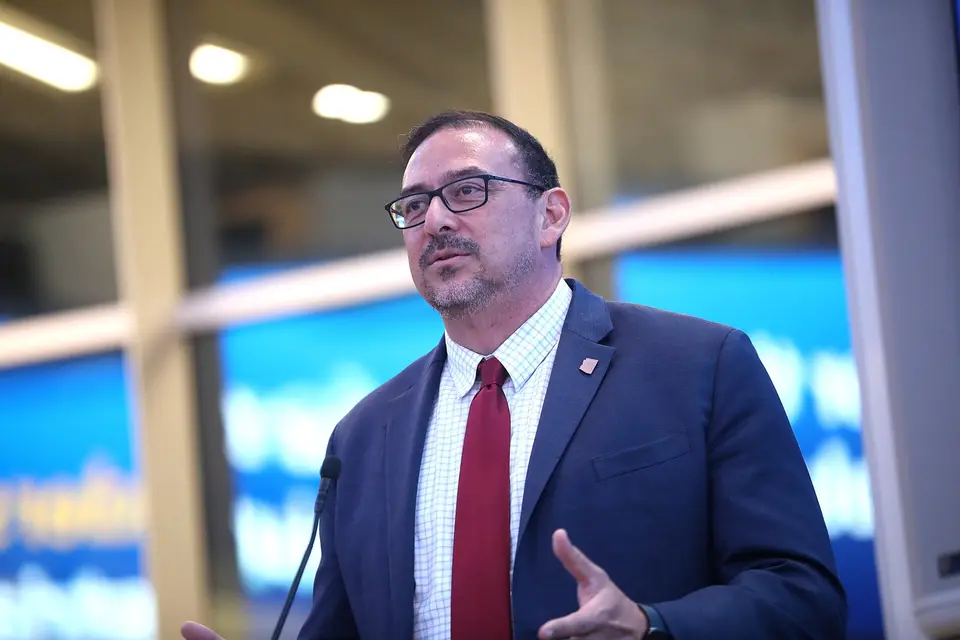
Former Maricopa County Supervisor Bill Gates, now helping lead Arizona State University’s Mechanics of Democracy Lab, is using his first cycle on the sidelines to press a familiar point: keep election administration in state hands, prove controls with evidence voters can see, and prepare for shifting federal postures without ceding the field. In an interview published this week, Gates said Arizona’s systems rely on bipartisan checks, but a trust gap remains among Republicans and must be addressed with openness and practical options, including a new “Identification Verified” stamp for early ballots presented with ID.
Gates’ vantage point is unusual and useful. He spent years inside the machine, from GOP “election integrity” lawyering in the early 2000s to the Phoenix City Council and then the Maricopa County Board of Supervisors, where he helped manage several turbulent cycles before leaving in 2024. At ASU’s Mechanics of Democracy Lab, he says the mission is training election officials, restoring confidence, and studying improvements, including how emerging technologies and artificial intelligence intersect with administration.
The consequence for 2026 is straightforward. Gates says a late‑2025 survey by the lab found many Republicans still lack trust in the administration of elections compared with Democrats and independents. If that gap persists into November, any close outcome in Arizona will arrive with an unnecessary confidence penalty. His response is what he calls “partisan inclusive” engagement: open the doors to Republicans, Democrats, independents, Libertarians, Greens, and others, and address concerns in a forum that treats parties as stakeholders while insisting on facts.
On the mechanics, Gates argues Arizona already embeds checks and balances most voters never see: bipartisan teams at vote centers and ballot processing sites, availability of audits, and observers from both major parties throughout the process. That is necessary, not sufficient. To convince skeptics, counties should publish the receipts quickly and in plain language: audit plans and results, reconciliation and chain‑of‑custody summaries, and exception handling reports that explain what went wrong and how it was fixed. “Trust us” will not compete with YouTube and rumor mills.
Gates is explicit about federalism. He faults both parties for trying to pull Washington deeper into election administration, saying the Constitution leaves elections to the states and that increased federal involvement during the Biden years and now under President Trump is not in the country’s best interest. At the same time, he says the lab is helping officials prepare for “a knock on the door from the feds” as agencies adjust their posture. That preparation should include clear documentation and post‑election disclosure of federal contacts so voters know who asked for what, and why.
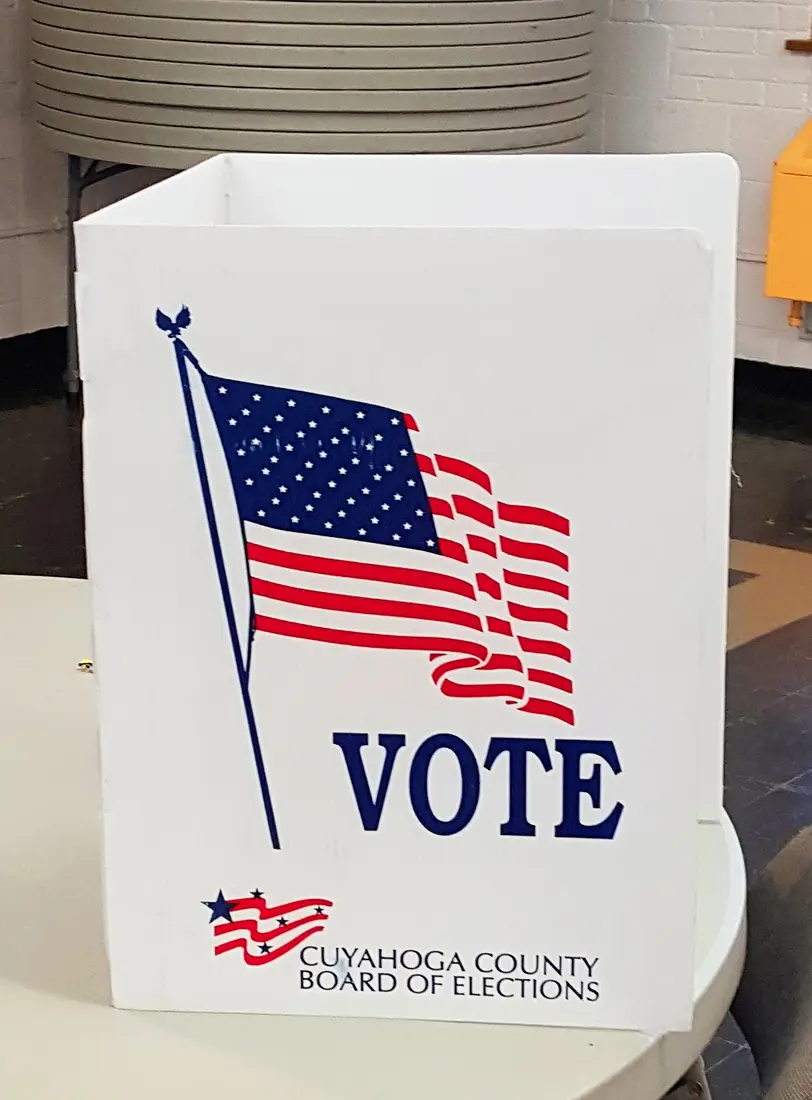
One practical test this fall is Arizona’s new option for voters who use early ballots: bring the ballot in, present identification, and have it stamped “Identification Verified.” Gates says he is watching whether voters actually use it in the general election. The concept is simple and, for some Republicans in particular, intuitive: pair early voting with an in‑person check. Its value will come down to execution. Counties should publish usage rates, site by site and over time, accompanied by neutral, uniform guidance so the stamp signals exactly one thing and does not become a proxy for partisan claims.