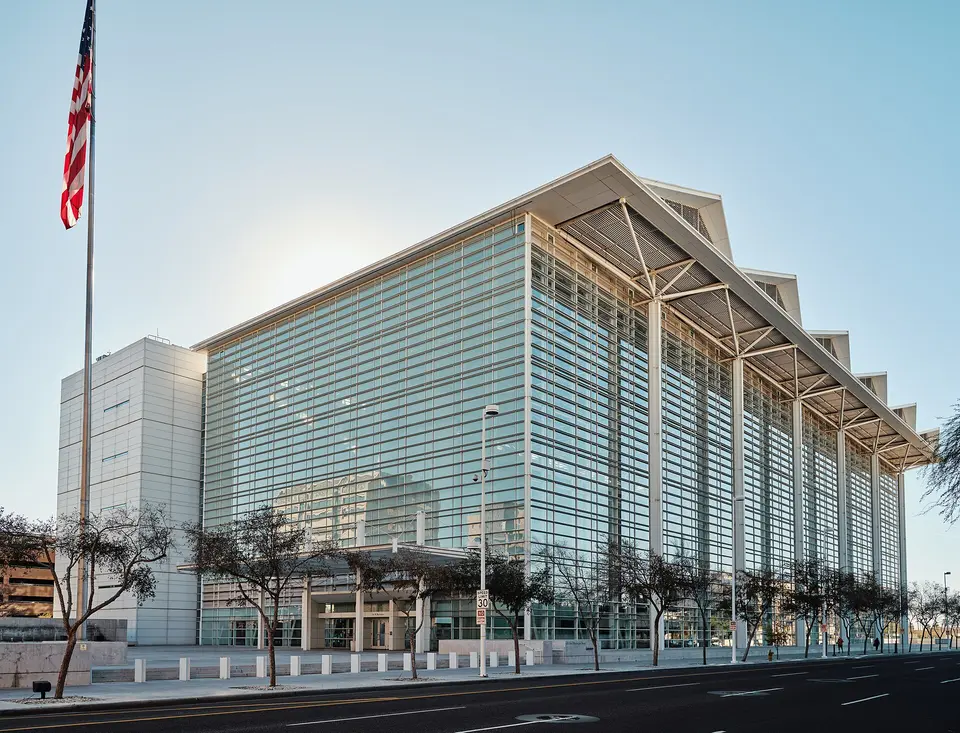

Arizona’s prison system began routing all legal mail through a centralized Phoenix address on July 13, a change that defense attorneys and advocacy groups say could impede incarcerated people’s access to the courts, according to the Arizona Capitol Times (https://azcapitoltimes.com/news/2026/07/16/arizona-prison-legal-mail-policy-raises-court-access-worries/). The policy also requires attorneys and legal paraprofessionals to register and affix a specialized barcode to each piece of legal correspondence bound for a state prison.
The consequence is straightforward. Advocates plan to monitor for delivery delays, missed filing deadlines, and even case dismissals across matters that hinge on timely mail, from criminal appeals to prison-conditions suits and family court filings, the Capitol Times reported. The American Civil Liberties Union’s National Prison Project director David Fathi said the organization may sue, calling the change a significant and apparently needless interference with legal communications for incarcerated people.
Mechanically, every court notice, attorney letter, and legal paraprofessional’s correspondence must go first to Phoenix for contraband screening before transport to complexes statewide. Fathi questioned how often mail will be moved from the central site to prisons, and what happens when a barcode or format is ruled noncompliant and mail is returned to sender, while filing clocks continue to run.
The Arizona Department of Corrections, Rehabilitation and Reentry defends the shift as both lawful and practical. A department spokesperson told the Capitol Times the process will be more streamlined, consistent, and safer, and will not impede access to or confidentiality of legal communications. The agency said centralized scans and barcodes are crucial to stopping drugs and contraband.
Advocates counter that the department has not shown legal mail is a major contraband pathway. Citing department reports, the Capitol Times noted 300 to about 420 contraband cases per month systemwide, with drugs making up 200 to 300 of those. Donna Hamm of Middle Ground Prison Reform pointed to an internal intelligence report from July 12 to 18, 2025, showing 10,929 pieces of mail scanned and 17 positive contraband finds, and argued there is no evidence that legal mail is a significant source.
The policy’s practical burden may fall heaviest on pro se litigants. Kristofer Seneca, an inmate at ASPC Eyman with three decades of self-filed litigation, told the Capitol Times that inmates often rely on outside helpers for declarations, emails, and documents, yet policy changes now make it nearly impossible to secure those materials. He said prisoners are barred from printing or copying documents sent via mail and has alleged in new litigation that the policy poses an imminent threat to court access, while also claiming retaliation tied to a housing transfer and lost programming.