
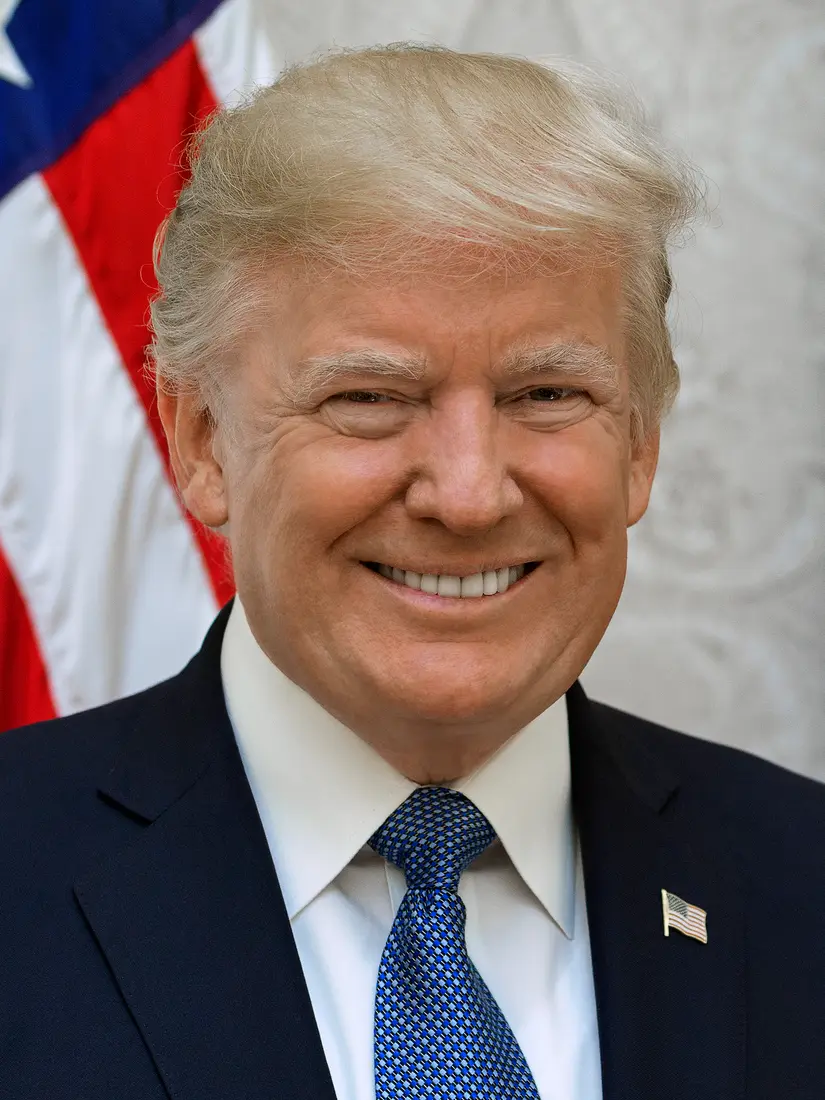
A federal judge in Florida ruled that President Donald Trump acted in bad faith when he abruptly dropped his tax return lawsuit and then directed his Cabinet to establish a $1.8 billion “anti-weaponization” fund, the Arizona Mirror reported this week. The ruling faulted Trump for using the presidency to “manipulate” the courts in the IRS-related case, according to the outlet’s account of the order. Link: https://azmirror.com/2026/07/13/repub/judge-blasts-trump-for-using-the-presidency-to-manipulate-courts-in-irs-lawsuit/
The immediate consequence is a formal judicial finding that the president’s litigation tactics crossed a line. Courts have wide latitude to police abusive conduct in cases before them. A bad‑faith finding can shape remedies, drive fee and cost decisions, and influence how other judges view related disputes. It also invites scrutiny of any executive actions taken in tandem with the litigation strategy.
According to the Mirror, U.S. District Judge Kathleen Williams issued the ruling on Monday. The report says Williams criticized the rapid dismissal of Trump’s tax return lawsuit and his directive to create the “anti-weaponization” fund, portraying the combination as an effort to gain advantage over the court process. The article does not describe the case posture beyond that characterization.
The fund’s size, $1.8 billion, is notable on its own terms. As reported, the judge treated the creation of the fund, immediately following the voluntary dismissal, as part of the same course of conduct subject to judicial rebuke. The publication did not detail what the fund is intended to pay for, how it would be administered, or the source of money, and it did not describe any specific court‑ordered limits on the fund.
Federal judges rarely accuse a sitting president of bad faith. When they do, it is usually tethered to settled principles: candor to the tribunal, respect for jurisdiction, and avoidance of maneuvers designed to moot adverse rulings. Courts are protective of their processes and expect litigants, including executive officials, to avoid steps that appear to trade public power for private procedural advantage.
The Mirror’s report does not say what remedy Judge Williams imposed, if any, beyond the finding itself. It also does not include a response from the White House, Trump’s legal team, or the Department of Justice, nor does it indicate whether the administration plans to appeal or seek reconsideration. Those unanswered questions will determine the costs and ultimate outcome of this confrontation.
Arizona readers have seen federal judges take aggressive steps when they conclude that executive actors are not meeting constitutional obligations. On Friday, a separate Arizona Mirror report said a federal judge appointed Ohio’s former prisons chief to run Arizona’s prison healthcare system and signaled potential nullification of two state laws as part of remedial control. Link: https://azmirror.com/2026/07/17/judge-hands-ohios-former-prisons-chief-sweeping-control-over-arizona-prison-healthcare/