Maricopa County hit 99% of ballots tabulated just over 27 hours after polls closed in the July 21 primary, a sharp break from recent election cycles. According to the Arizona Globe, Recorder Justin Heap is citing the speed as evidence that his office’s reforms are working: 674,368 ballots were counted by Wednesday evening, with an estimated 5,912 still in the statutory curing or verification pipeline.
For taxpayers, the consequence is straightforward: moving ballots through the system faster should mean fewer paid hours of post‑election processing and fewer days of operational drag. The Globe’s reporting did not include a price tag or overtime figures, but the measurable change in throughput suggests one of Maricopa’s biggest bottlenecks has been narrowed.
The most visible change this cycle was an option for voters who brought early ballots to vote centers on Election Day. Instead of dropping those envelopes into the signature‑verification queue, roughly 23,000 voters presented identification and had their ballots immediately accepted for tabulation, the Globe reported. Fewer envelopes to verify after polls close equals fewer steps, and in elections administration, every extra handoff adds time and cost risk.
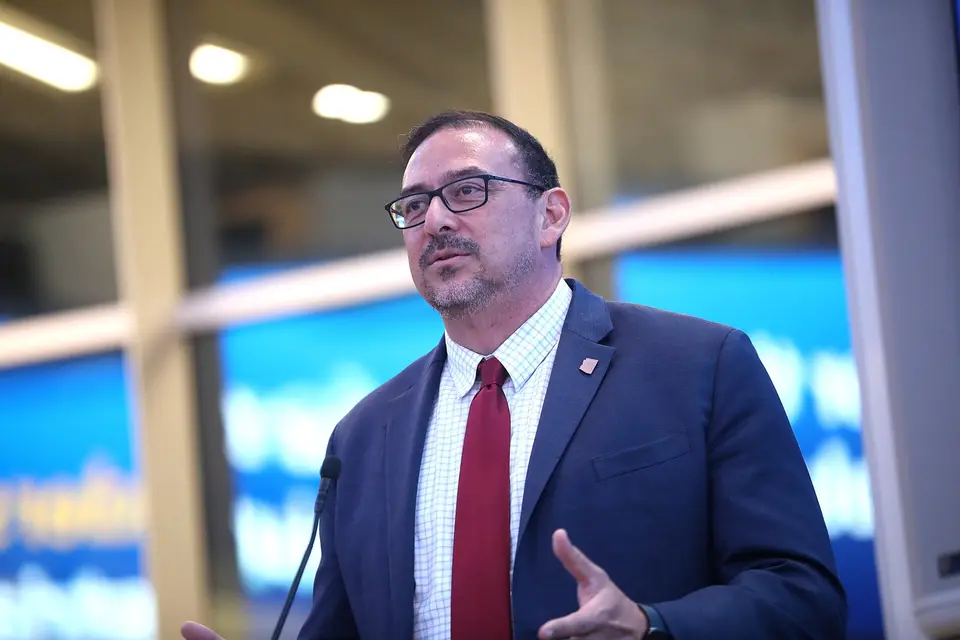
Heap publicly thanked staff “who came in at 2 a.m. to ensure we delivered the fast, accurate, and transparent results we promised Maricopa County voters,” noting that verified early ballots had been transferred to the Elections Department for tabulation. County Board Chair Kate Brophy McGee credited the overnight work and voter uptake of the new option: “Multiple factors made this milestone possible just a little over 24 hours following the close of polls,” she said, adding that many voters chose to prove identity and tabulate their early ballot at the vote center rather than drop it off for post‑election validation.
The operational split itself is new. As the Globe described, a settlement earlier in July ended months of legal disputes and clarified that the Recorder would oversee much of early voting, including signature verification, while the Elections Department retained tabulation and Election Day operations. This primary was the first countywide election under Heap’s administration and the first test of his campaign themes of transparency, accountability, and speed.
Expectations were set conservatively. Officials had projected that 99% of ballots would be counted by the Friday after Election Day. Hitting that mark in just over a day is a real process gain. County officials also stressed, as they should, that remaining ballots must complete statutory verification and curing before results become official.
Speed is not a substitute for accuracy. But a faster, cleaner count reduces the window for rumor and reduces the need for long tail staffing. The early indicator here is positive: by shrinking the Election Day drop‑off backlog with an ID‑present option, administrators reduced the work that spills into the days after the vote. If sustained, that should translate into fewer paid hours after Election Day and clearer, earlier results for voters and campaigns.