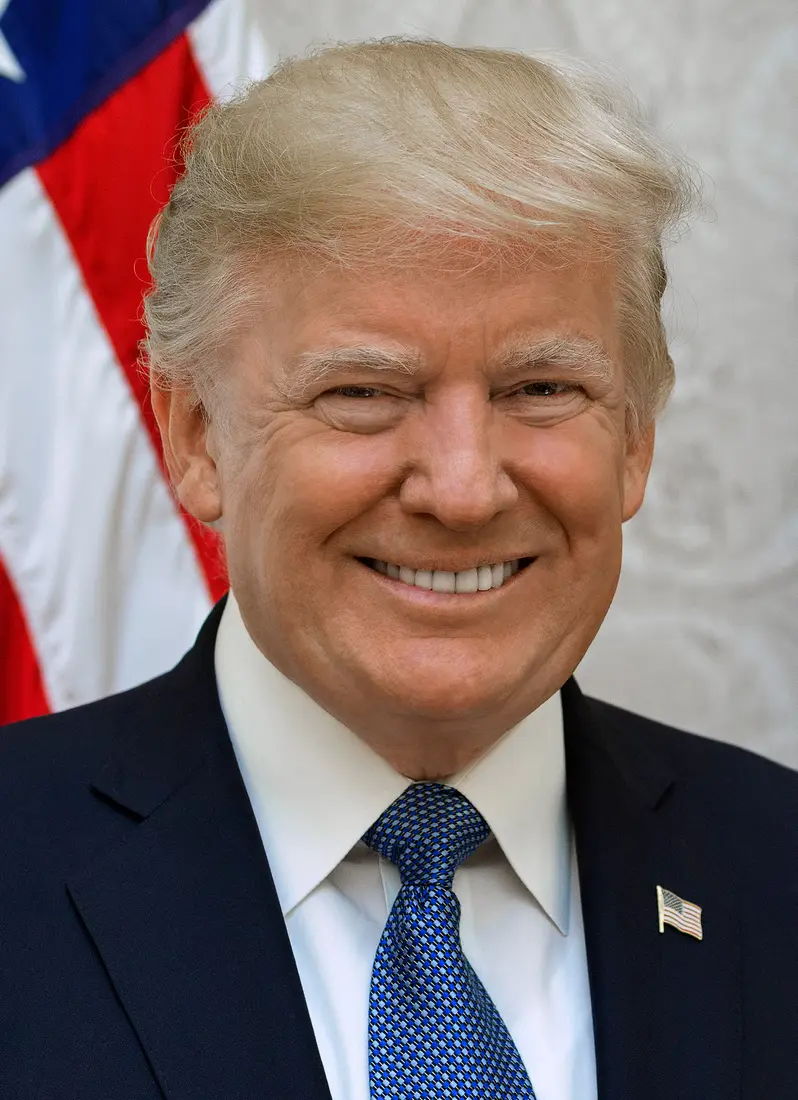
Homeland Security Secretary Markwayne Mullin threatened state and local election officials with fines and prison if they knowingly allow noncitizens to remain on voter rolls, and the Justice Department sent warning letters to all 50 states, including Arizona. But election law scholars and even conservative election‑integrity advocates told Cronkite News they do not see a viable federal statute that would let prosecutors jail a poll worker, a county elections director or the Arizona secretary of state for roll maintenance decisions.
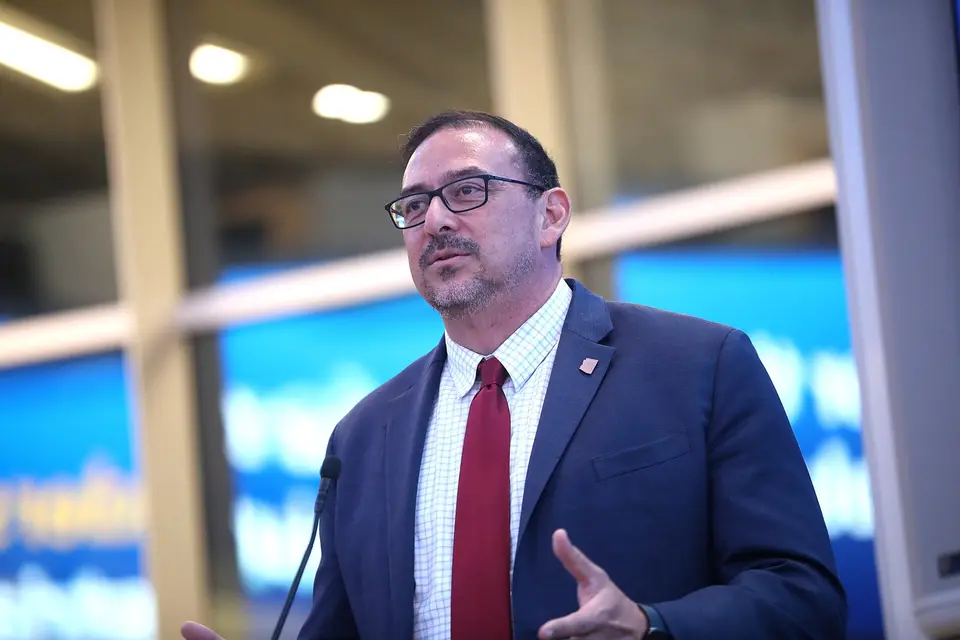
The DOJ letters, signed by Civil Rights Division chief Harmeet Dhillon, referenced the National Voter Registration Act and warned Arizona Secretary of State Adrian Fontes he could face prosecution for “aiding and abetting” noncitizen voting. Neither DOJ nor DHS has publicly identified a specific charge that would apply. UCLA election law scholar Richard Hasen said arrests are very unlikely because states, and Congress through statute, set the rules for congressional elections. Fontes called DOJ’s suggestion “insulting” and said his office will follow state law, not political intimidation. Logan Churchwell of the conservative Public Interest Legal Foundation told Cronkite News, “DHS cannot touch a voter file.”
The immediate consequence in Arizona looks more legal theater than legal exposure. In January the Justice Department sued Arizona to obtain unredacted statewide voter registration data after Fontes declined to provide it voluntarily. In April, U.S. District Judge Susan Brnovich, a Trump appointee, dismissed the case, ruling Arizona’s voter lists are not a document the attorney general can demand under the Civil Rights Act. Cronkite News reported DOJ has brought similar suits in 30 states and has lost all 16 that have reached a ruling so far. That litigation track record weakens federal leverage over Arizona’s roll maintenance in the near term.
Even if federal prosecutors wanted to press a test case, intent is the gating element. David Becker of the Center for Election Innovation & Research said the relevant criminal laws require proof of intentional interference or fraud, not mere disagreement with federal preferences on database matching. Churchwell added that the NVRA’s terms are litigated differently across states, making it an “exceedingly shaky” charging vehicle. DOJ has historically prosecuted ballot fraud, bribery and corruption by election officials, Cronkite News noted, but nothing akin to declining to adopt DHS’s preferred checks.
The White House last week released documents purporting to show 250,000 noncitizens registered in four states, plus tens of thousands elsewhere, and Mullin gave those states two weeks to explain how they would address noncitizen voting. The Center for Election Innovation & Research counters that most noncitizen voting allegations arise from misunderstandings or mischaracterizations of complex data. From a data‑quality standpoint, claims of that magnitude need the deduplication rules, source files, and audit trail in public view. Without methods and error bounds, Arizona officials and the public cannot vet whether the federal counts reflect ineligible registrations, record linkage mistakes or definitional choices.