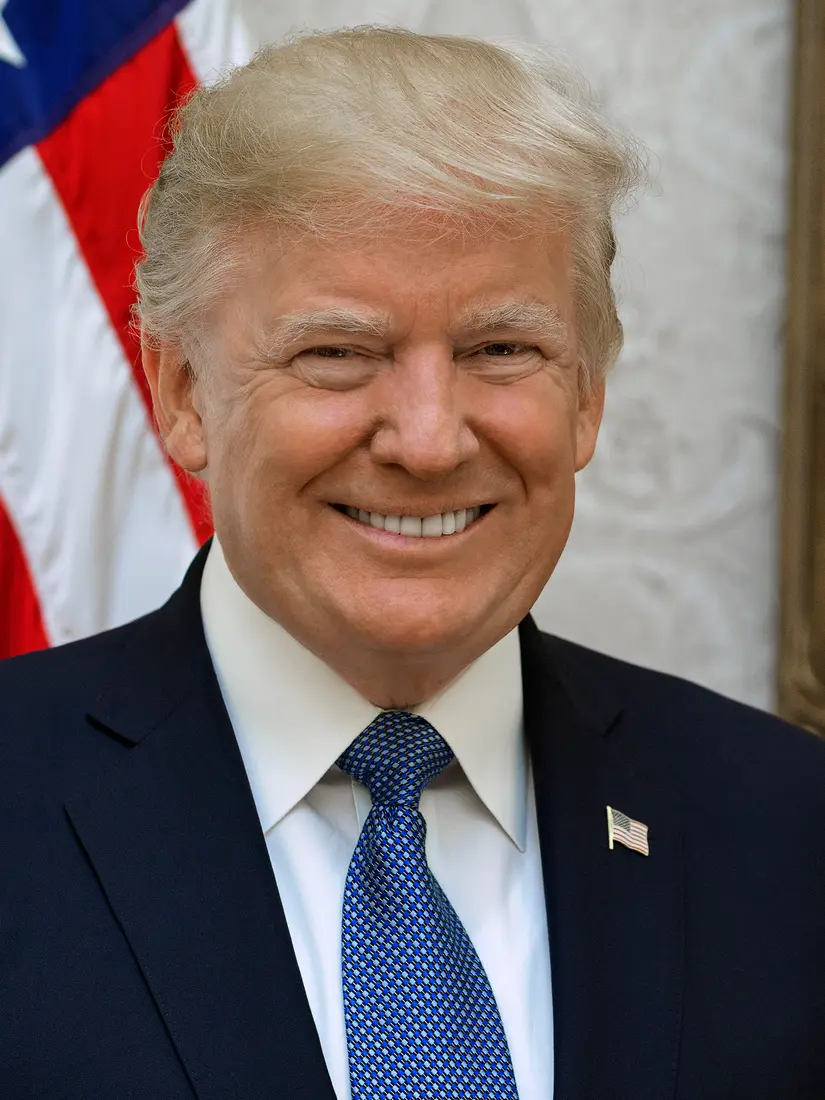

Congress split on whether to curb President Donald Trump’s war powers in the Iran conflict, even as gas prices spiked and the Pentagon returned four fallen service members to their families. According to the Arizona Mirror, one day after Trump attended the dignified transfer of the remains at Dover, the two chambers were at odds over reining in the president’s military authority in the months-long war. The immediate pocketbook signal for Arizona is not a floor speech. It is the higher price at the pump.
Here is the consequence for taxpayers by the third paragraph. When Washington wages war without tight, public guardrails, the first invoice shows up in household and small business cash flow through fuel costs. The next arrives in federal ledgers, with interest. The Mirror report notes a spike in gas prices but includes no public cost estimate for current operations, no offsets, and no timetable for when either chamber might settle on a single set of constraints. That silence is itself a number: zero transparency on the bill so far.
War powers are not just a constitutional argument. They are a spending argument. Time limits, defined objectives, reporting requirements, and automatic reauthorization votes are fiscal guardrails as much as they are separation-of-powers tools. If the House and Senate are at odds over whether to rein in the president, then Washington is arguing about process while costs mount in real time for drivers, fleets, and public agencies that buy fuel every week in Arizona.
A fuel price spike ripples through more than family commutes. Delivery contractors, landscapers, rideshare drivers, and tourism operators have tighter margins immediately. Public entities that run on fuel, like school transportation departments and municipal fleets, do not get a pass because global tensions rose. If higher prices persist, procurement officers and budget directors will be forced to adjust routes, defer purchases, or cannibalize funds from other line items. None of that is free, and none of it is visible if Congress keeps debating abstractions instead of publishing price tags.
The human cost is the most sobering line item. The Mirror reports the dignified transfer of four U.S. service members killed as a result of the Iran conflict. The country owes their families, and we owe long-term care to those who return wounded. Those obligations are morally nonnegotiable and fiscally real. They must be accounted for up front when authorizing and overseeing any use of force. Pretending those commitments are outside the budget is another way of hiding the true cost from the public.
Arizonans should expect two things from federal leaders now. First, clarity. What are the measurable objectives, and how will success or failure be reported to taxpayers who are financing this? Second, a ledger. What are the projected monthly costs under current operations, and how will they be offset without simply rolling them into more debt? If the executive branch seeks continuing flexibility in the field, Congress should demand continuing transparency at home. Flexibility without disclosure is a blank check.